
What is a core biopsy?
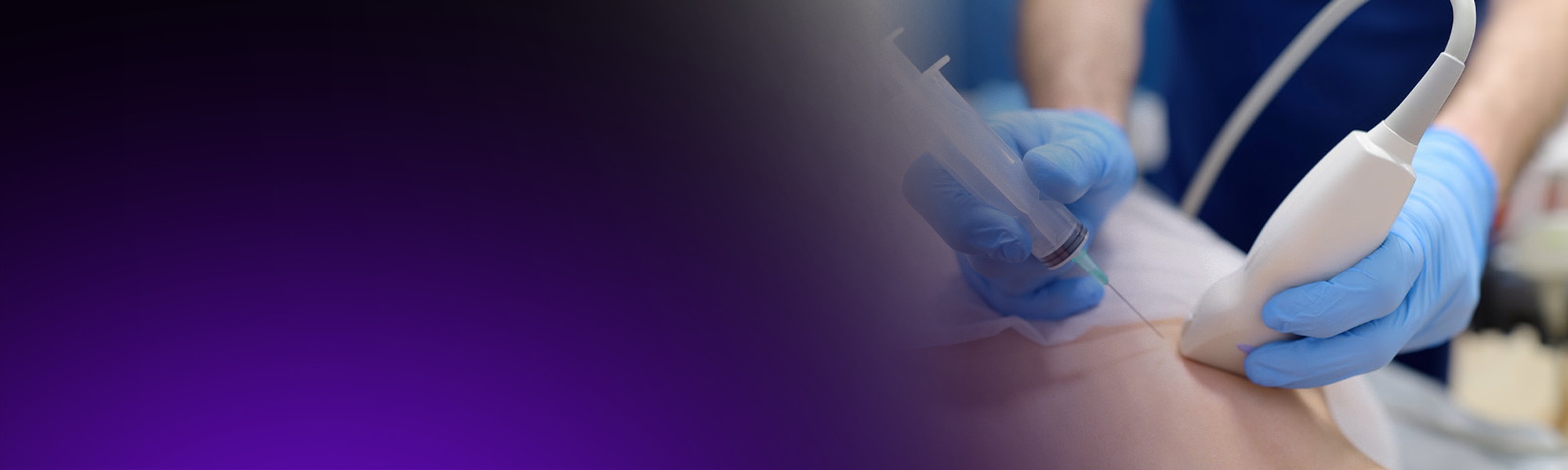
A core biopsy is a procedure performed by a Radiologist to collect small tissue samples from an area of concern. At Qscan, ultrasound guides the biopsy needle to the target area accurately. The samples are then sent to a pathologist for testing, helping to provide a clear diagnosis and guide your care.
The skin is cleaned, and a local anaesthetic is given via a small injection to minimise discomfort.
A tiny opening is made in the skin, and a biopsy device collects tissue samples. You may hear a ‘clicking’ or ‘snapping’ sound as the device takes each sample, but this should not be painful.
Several samples are usually taken to allow for a thorough assessment.
Sometimes for biopsies in the breast and axilla, a small metallic clip may be placed in the area to mark the biopsy site for future imaging. Note, this clip may incur a fee – please contact us for pricing.
When the local anaesthetic is administered, you may feel some initial stinging or pressure. Once it takes effect, most patients experience minimal discomfort. If you feel pain during the procedure, please let your Radiologist know so more anaesthetic can be given.
A core biopsy is usually a quick procedure, typically taking no more than 30 minutes to complete. The exact time can vary depending on the sampled area and whether more than one site needs to be biopsied. If multiple samples are required, the procedure may take a little longer.
At the end of your procedure, a waterproof dressing will be applied. You can shower normally, and the dressing should remain in place for 4-5 days. Mild pain or bruising is common for a few days. To help with recovery:
- Avoid strenuous exercise on the day of your biopsy
- Apply firm pressure to the site where possible
- Use Paracetamol (Panadol) for pain relief if needed
- Apply a cold pack to the area to reduce swelling or discomfort
Core biopsies are generally very safe, but like all medical procedures, there are potential risks, including:
- Infection or bleeding (especially if you are diabetic or immunocompromised)
- Light-headedness, nausea or fainting (vasovagal reaction)
- Injury to nearby structures, such as the muscle wall
- Small risk of implant damage for patients with breast implants
- Allergic reaction to anaesthetic or materials used
Sometimes, results may be inconclusive, and your doctor may recommend further testing.
If you experience sudden swelling, excess bleeding, redness, or significant pain, please get in touch with your GP, or if unavailable, your local hospital.
Biopsy results are usually available to your referring GP within 3-4 business days. Your doctor will discuss the findings with you and recommend the next steps for your care.
